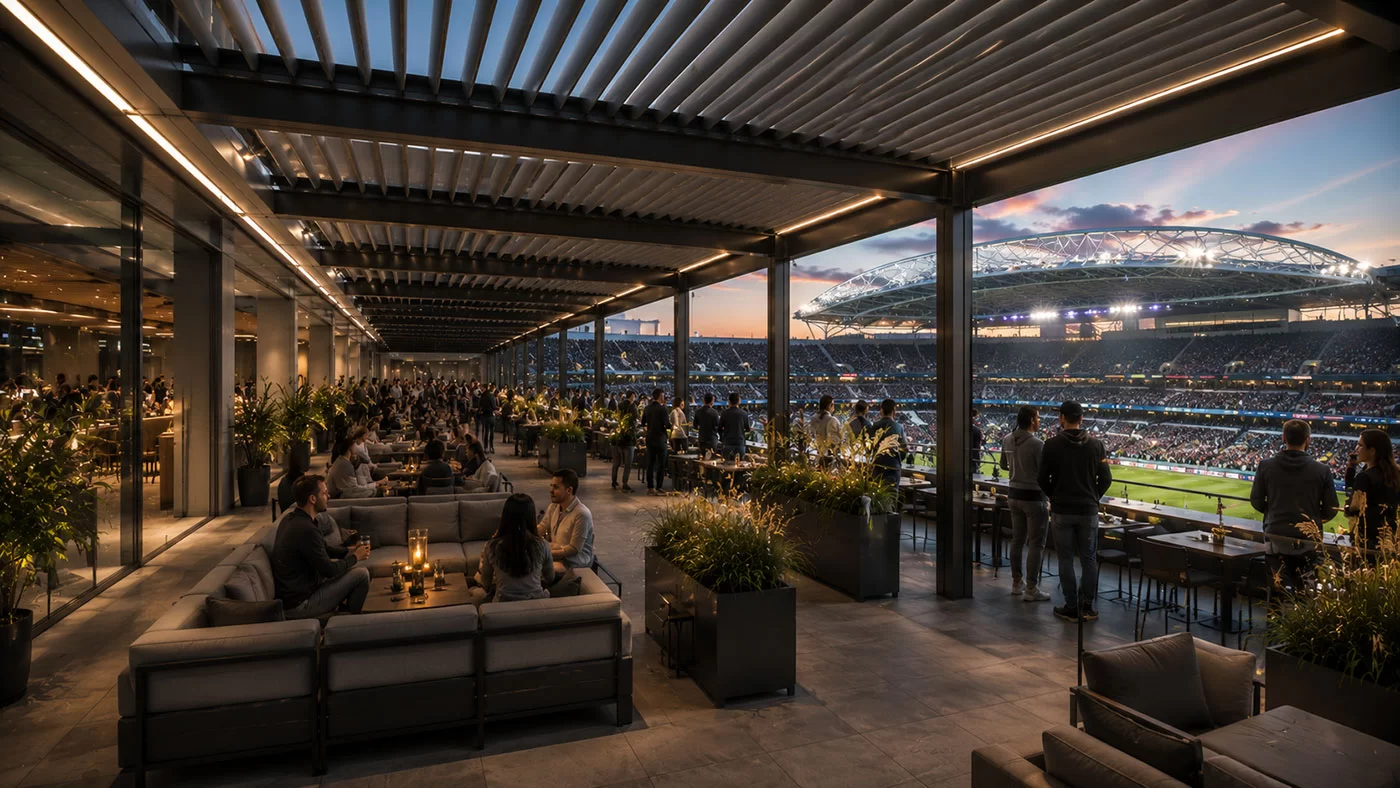
Bioclimatic pergola systems for venues are designed to align with large-scale structures and strong design identities.
The systems help designers create recognizable, well-composed spaces that feel like a natural extension of the venue

Custom retractable pergolas, louvered roofs, glass enclosures and outdoor living systems designed for residential and commercial spaces across the USA.
A bioclimatic pergola is an architectural structure with a motorized, adjustable roof and optional glass or screen closures.
In stadiums and arenas, it acts as a flexible, semi-outdoor canopy that can open to the sky or fully protect from sun, wind, and rain.
Adjustable aluminium louvers or retractable roof panels provide flexible protection from sun, wind, and changing weather conditions, while integrated drainage systems help manage sudden rainfall during match days and high-traffic events. Depending on venue requirements, the system can be operated through remote control, wall switch, or full automation integration. Optional glass façades and screen systems can also be incorporated to reduce wind exposure and improve comfort on elevated terraces and hospitality decks without blocking visibility. The result is a durable architectural structure that feels fully integrated with the venue itself rather than a temporary seasonal installation.
Bioclimatic pergolas can be integrated into many parts of a stadium or arena
Live events don’t pause for the weather. Bioclimatic pergolas help venues provide a better experience around the game or show.
The focus is on experience, comfort, and clear space definition, game after game, season after season
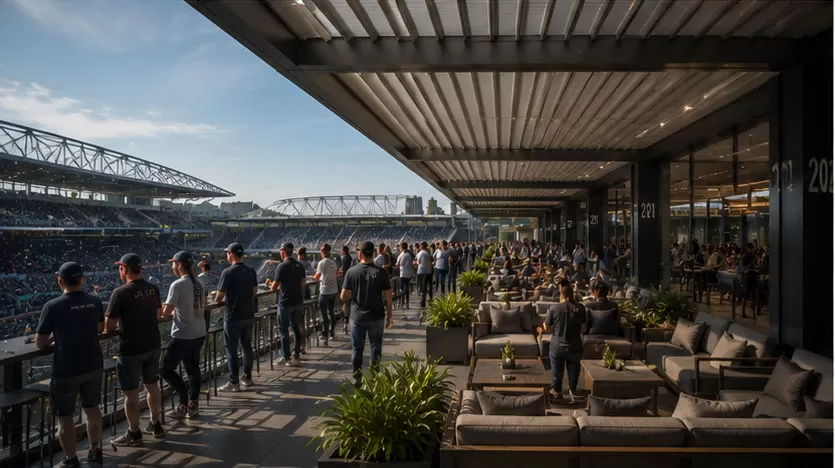
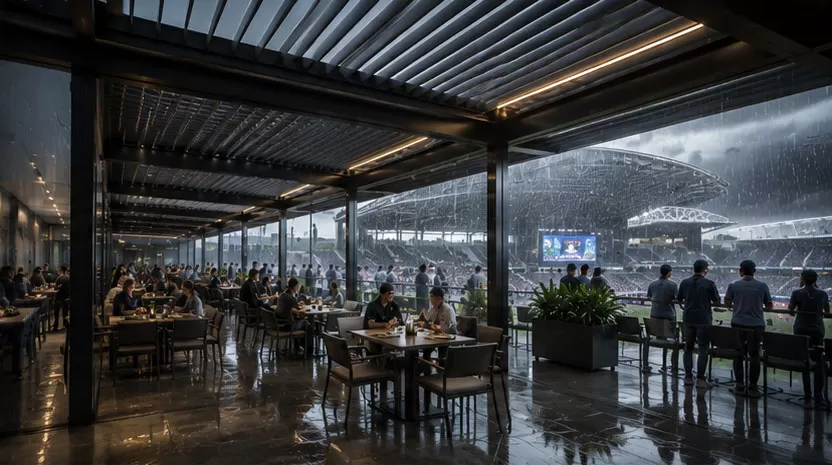
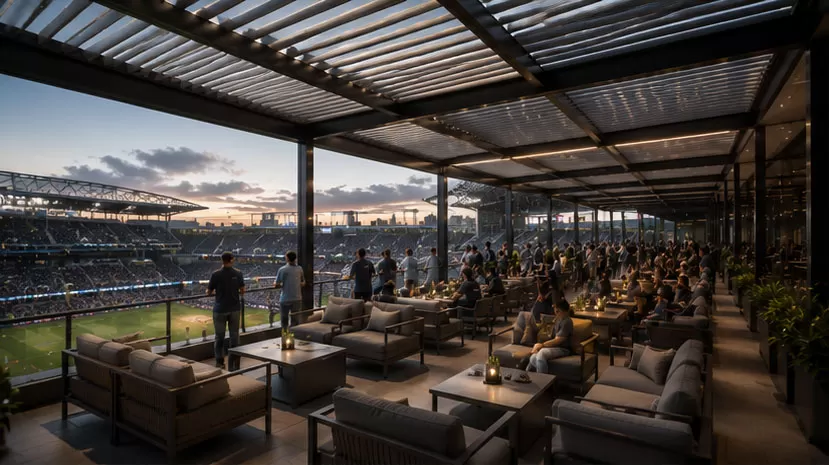
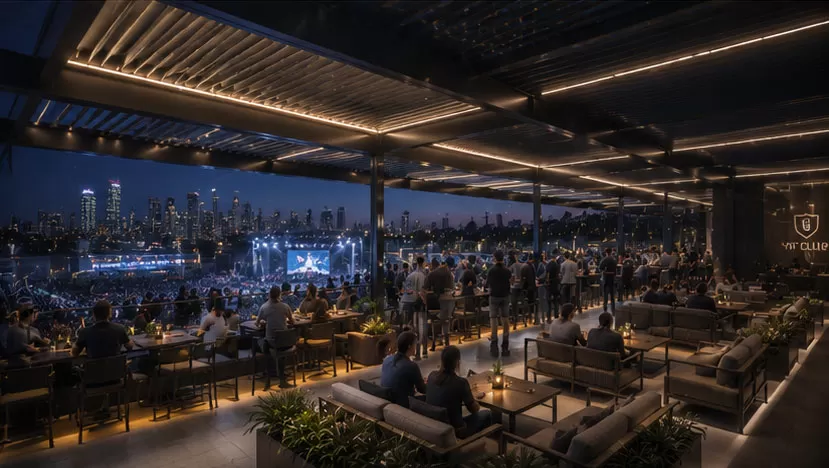
Give fans and guests shaded, wind-protected zones without cutting them off from the atmosphere of the bowl.
Keep terraces and decks inviting for pre-game build-up and post-game gatherings, even in strong sun, drizzle, or wind.
Create distinct environments for families, general fans, VIP guests, and partners without losing visual connection to the field or stage.
Architectural structures, premium materials, and integrated lighting support a cohesive visual language across concourses, decks, and hospitality spaces.
Bioclimatic pergola systems for venues are designed to align with large-scale structures and strong design identities.
The systems help designers create recognizable, well-composed spaces that feel like a natural extension of the venue
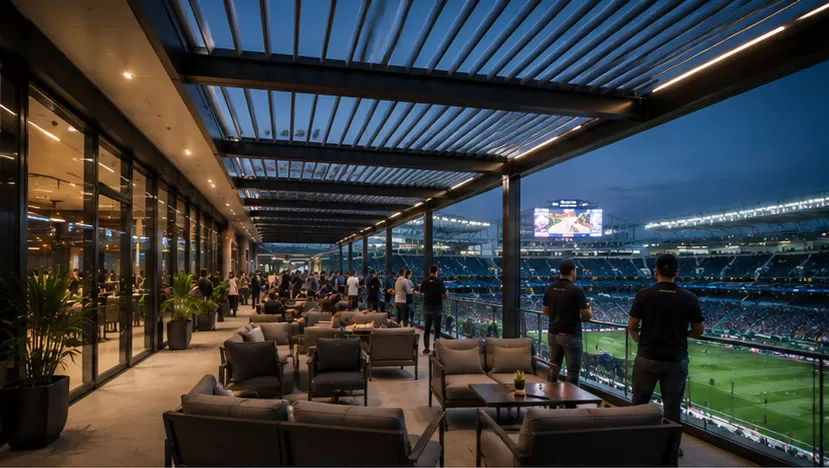
High-grade aluminium profiles sized for long spans and elevated positions
Bioclimatic louvered roofs that tilt to manage sun and airflow
Optional retractable roof sections for full open-sky viewing
Glass roof options where daylight and views are a priority
Sliding or folding glass for wind protection without losing visual connection
Guillotine glass systems for elevated decks and overlook platforms
Screens and blinds to manage low sun, glare, and broadcast-friendly lighting
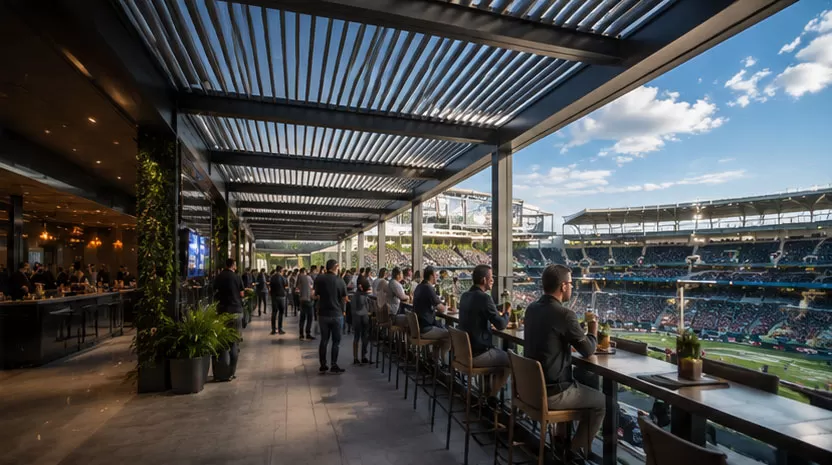
Durable powder-coated finishes selected to complement team colors and venue materials
Integration options for lighting, signage, and AV equipment
Clean lines and structural rhythm that sit comfortably within bowl, concourse, or facade geometry
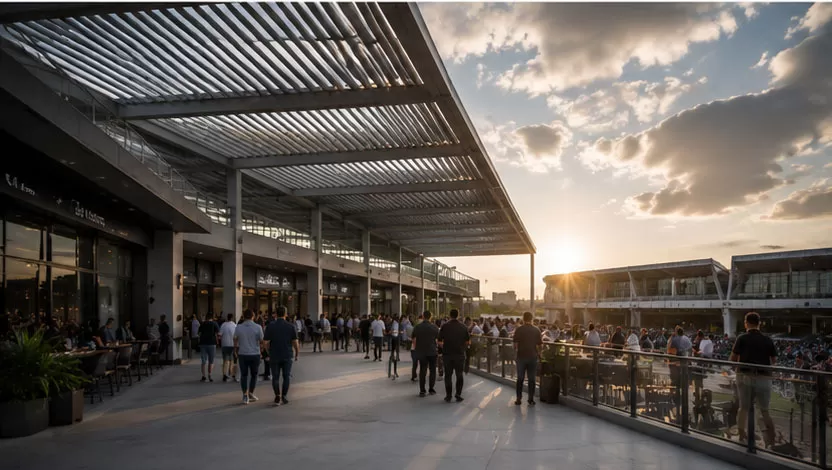
For architects, engineers, and venue operations teams:
Structural profiles and connection options suitable for elevated decks, raker beams, and concourse slabs
Drainage layouts coordinated with existing systems and exposed sites
Glass and aluminium options aligned with relevant structural and safety standards
Motor, control, and sensor data for integration with venue control systems where necessary
2D/3D drawings and BIM objects available on request for coordination with bowl, facade, and concourse models
We work alongside project teams so pergolas are integrated into masterplans, crowd modeling, lighting design, and signage strategies from early stages.
Beyond shelter, pergolas affect how people move and feel in the venue
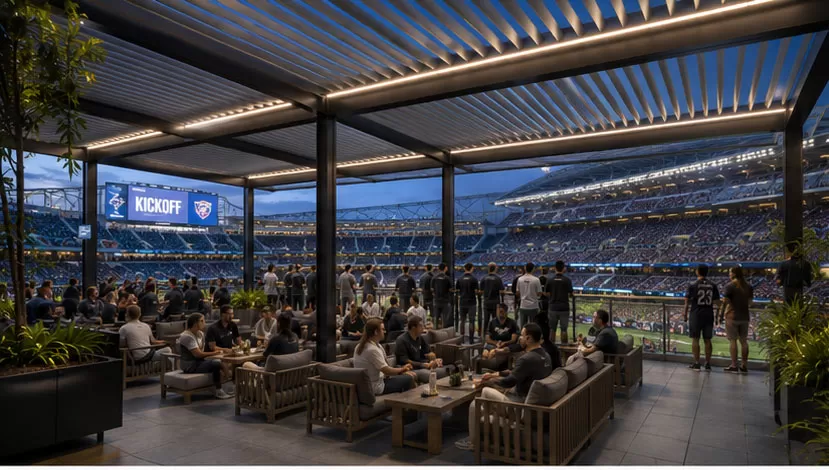
Clear, shaded gathering points that encourage people to spread out instead of crowding only indoor concourses.
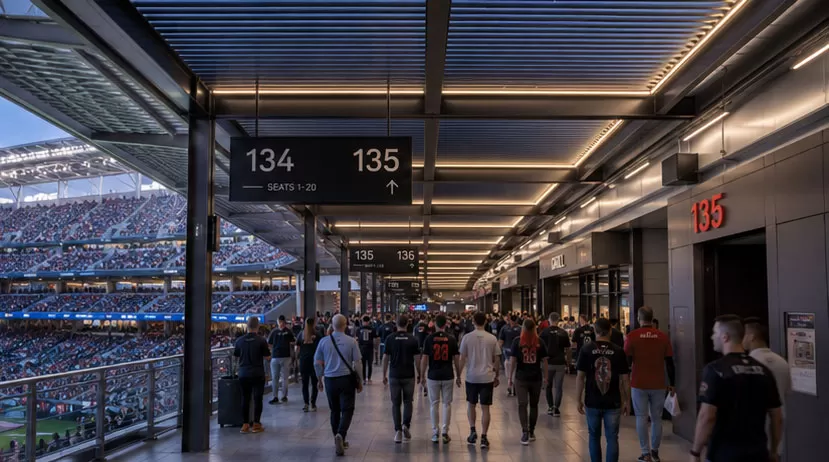
Covered paths and defined zones help spectators understand where to queue, gather, or rest between halves or periods.
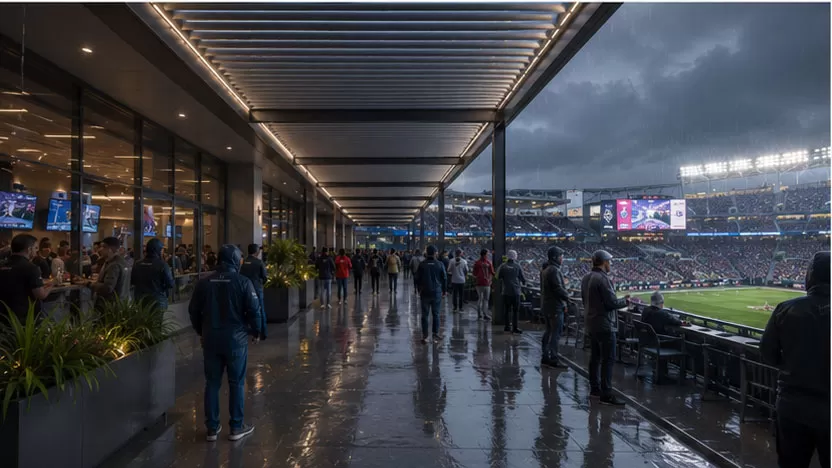
Protect bar areas, food points, and meeting spots from sudden weather changes without closing them down.
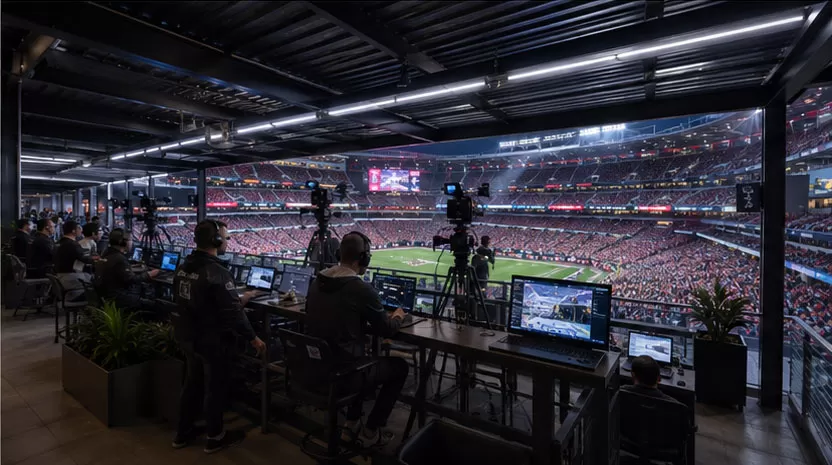
Structures can help frame AV equipment, displays, and speakers, supporting fan engagement while maintaining sightlines.
Clear, shaded gathering points that encourage people to spread out instead of crowding only indoor concourses.
Covered paths and defined zones help spectators understand where to queue, gather, or rest between halves or periods.
Protect bar areas, food points, and meeting spots from sudden weather changes without closing them down.
Structures can help frame AV equipment, displays, and speakers, supporting fan engagement while maintaining sightlines.
Here are answers to some of the most common questions we receive about pergola systems, installation, and performance.
Regulations vary by country, city, and project type. In many cases, bioclimatic pergolas require approval, especially when enclosed with glass. We can provide technical drawings and information to support conversations with your architect or local authorities.
Timelines depend on project size and season. After design approval, production typically takes several weeks, followed by an agreed installation date. We’ll share a detailed schedule with your offer.
Impergo systems are engineered and configured according to local wind loads and exposure. Integrated drainage channels manage rainwater, and when closed, the roof is designed to protect people and furniture below.
Yes. For colder regions, we select appropriate profiles, spans, and roof systems. Glass and shading options help improve comfort and energy performance
Mostly simple care: cleaning aluminium and glass with mild detergent, keeping drainage channels clear, and having motors and moving parts inspected at recommended intervals.
Many Impergo pergolas are designed to accept glass walls and shading systems at a later stage. You can start with a roof-only system and upgrade as your needs evolve.
Yes. Most bioclimatic louvered and retractable roofs can be motorized, with options for remote control, wall switches, app integration, and weather sensors.
We offer defined warranty periods for the aluminium structure, motors, and surface finishes. Details are provided with each project proposal.